There a lots of old orchards in Leeds, and new ones are being planted all the time – often as part of the White Rose Forest Initiative. As few as five fruit trees can be called an orchard, but to succeed they’ll need to ‘owned,’ loved, and looked after by committed people.
Fruit and nut trees offer a number of distinct advantages:
1 They are trees, so help to capture carbon, create healthy soil and retain ground water
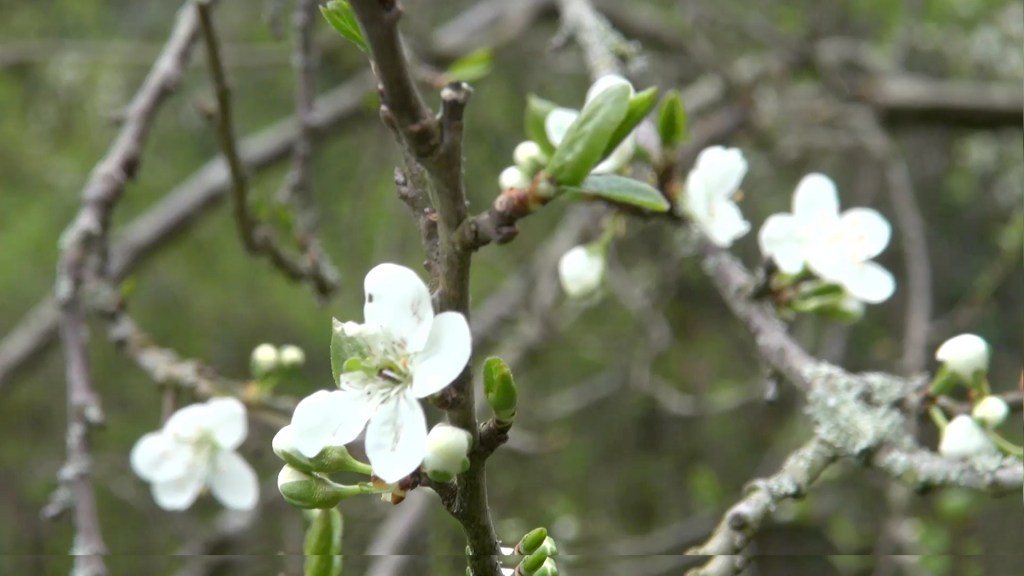
2 They are flowering plants, so count as pollinators which support a rich biodiversity
3 They produce crops that deliver organic, healthy, tasty, local food with a low carbon footprint
4 They provide social benefits as groups come together to plant, prune, harvest, make juice and other drinks, wassail and more
5 They can be easily planted around with other food plants to create a forest garden or jam hedge
6 If large enough, they can even provide jobs and commercial opportunities
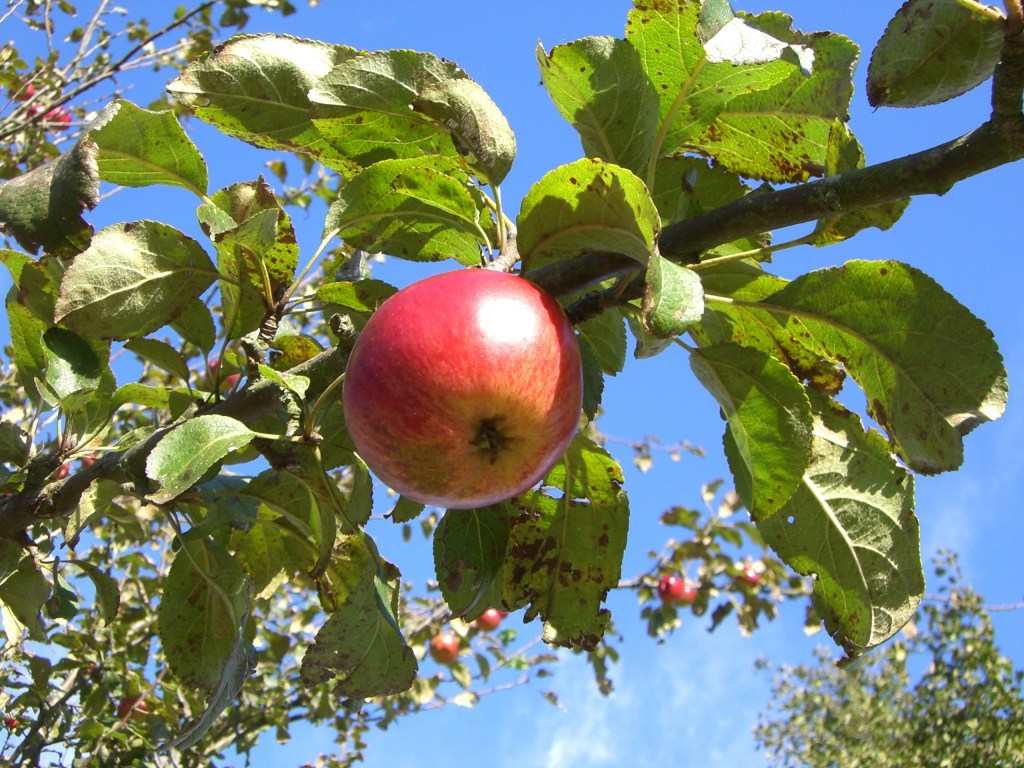
Land, and access to land, are key issues for orchards – the trees will grow slowly, and you’ll want access as they mature. Please check our Advice pages for more.
Feed Leeds’ member experts are The Northern Fruit Group, Leeds Urban Harvest and Fruit Works.
Fruit Works have a large fruit tree nursery in Leeds, they design and plant orchards, they advise on everything from funding to security, they run courses and workshops on topics such as pruning and juicing, and they have specialist equipment including juicers for hire. Here they are planting an orchard in Bradford in a short film made by Feed Leeds’ Tom Bliss for Woodlands TV
Fruit Map – please let us know of any orchards and forest gardens we have missed.
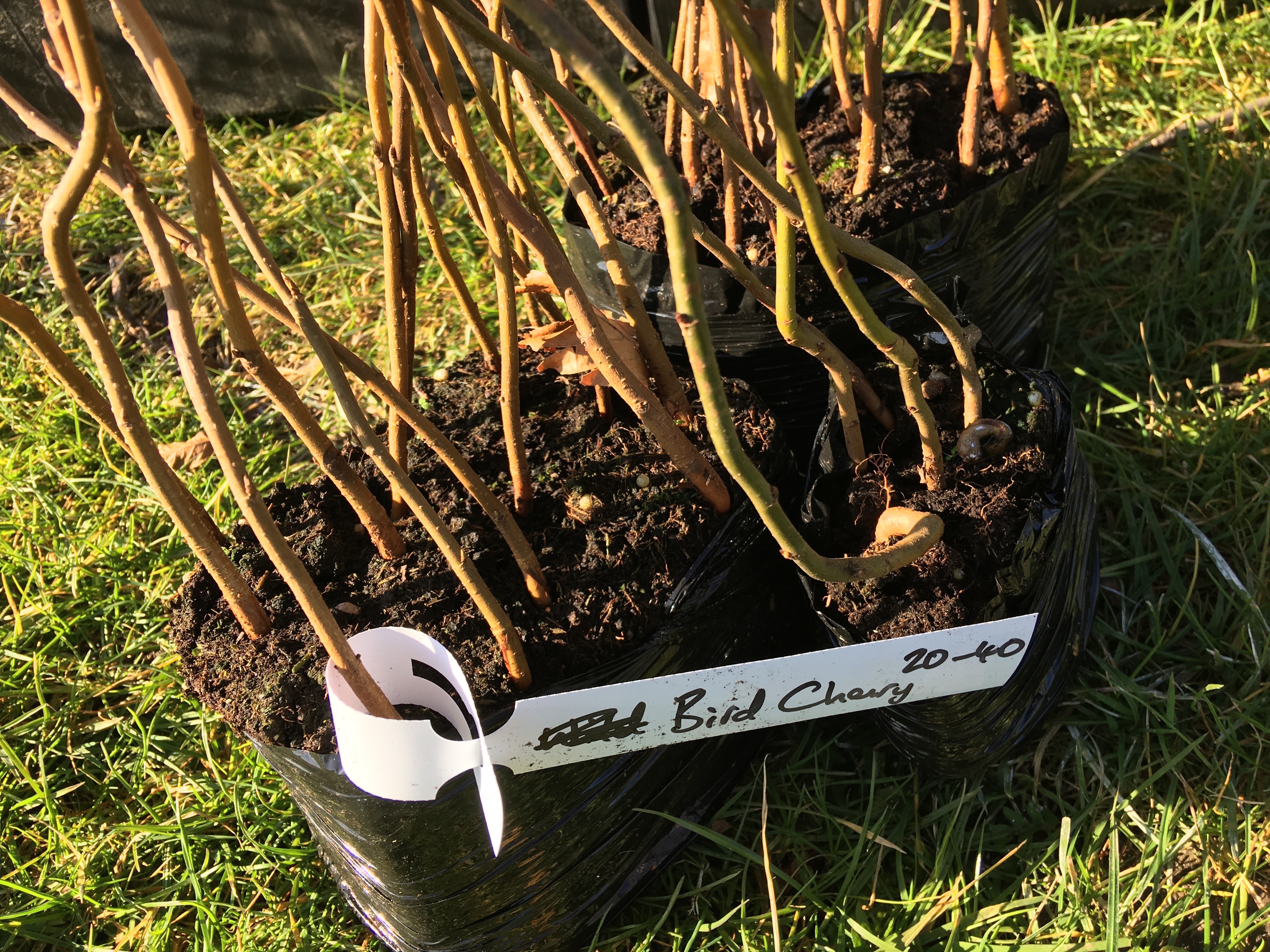
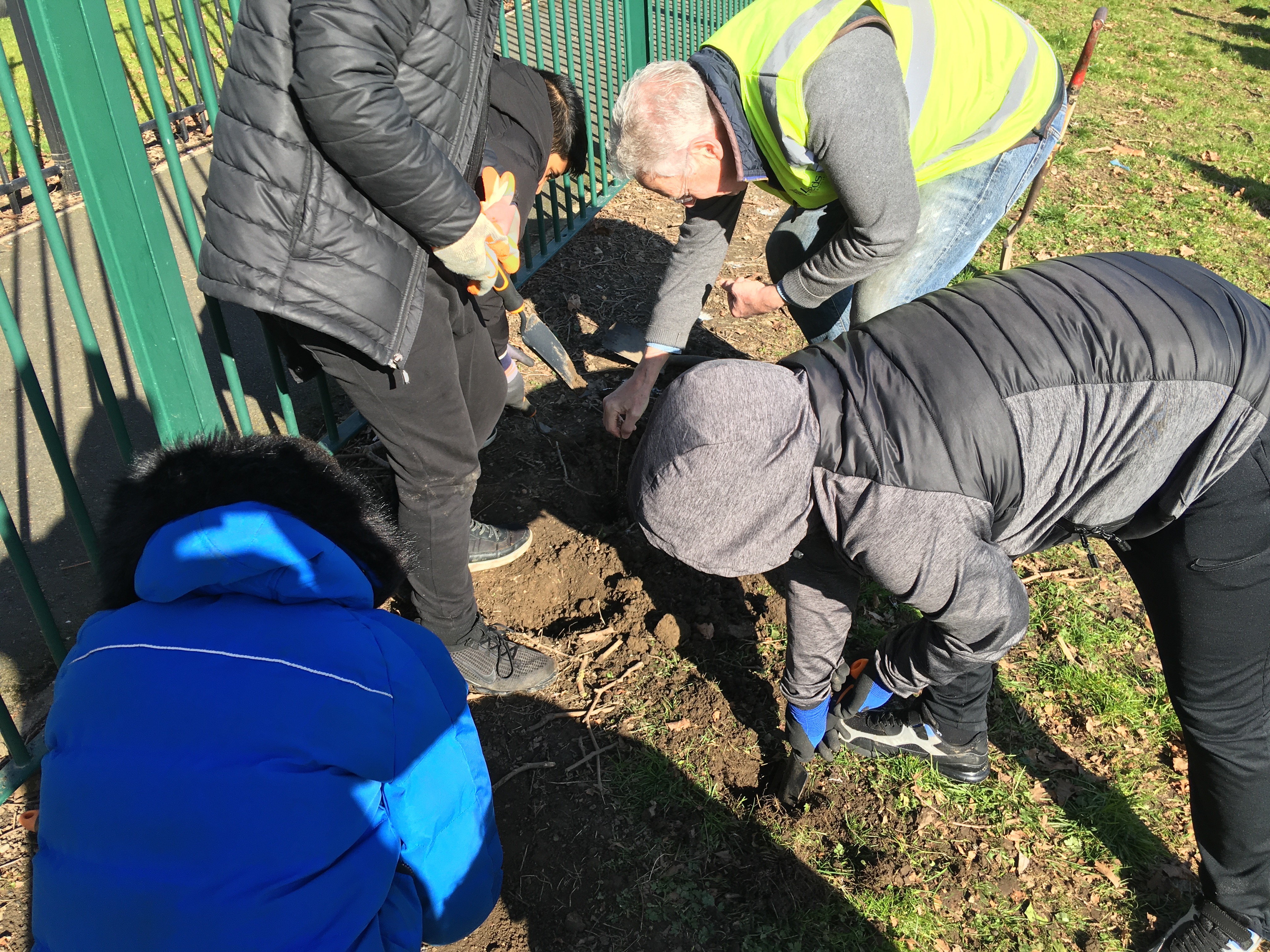
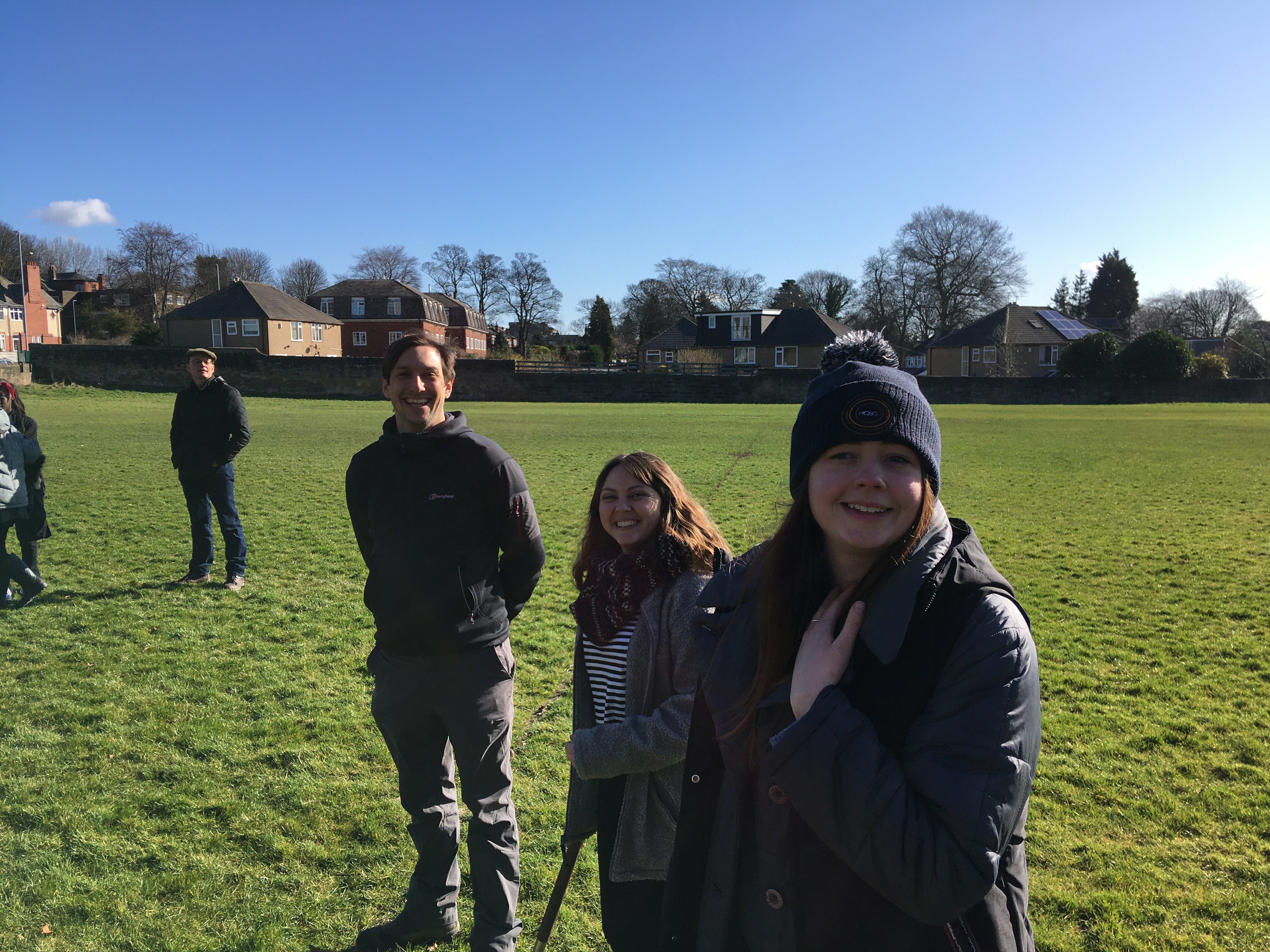
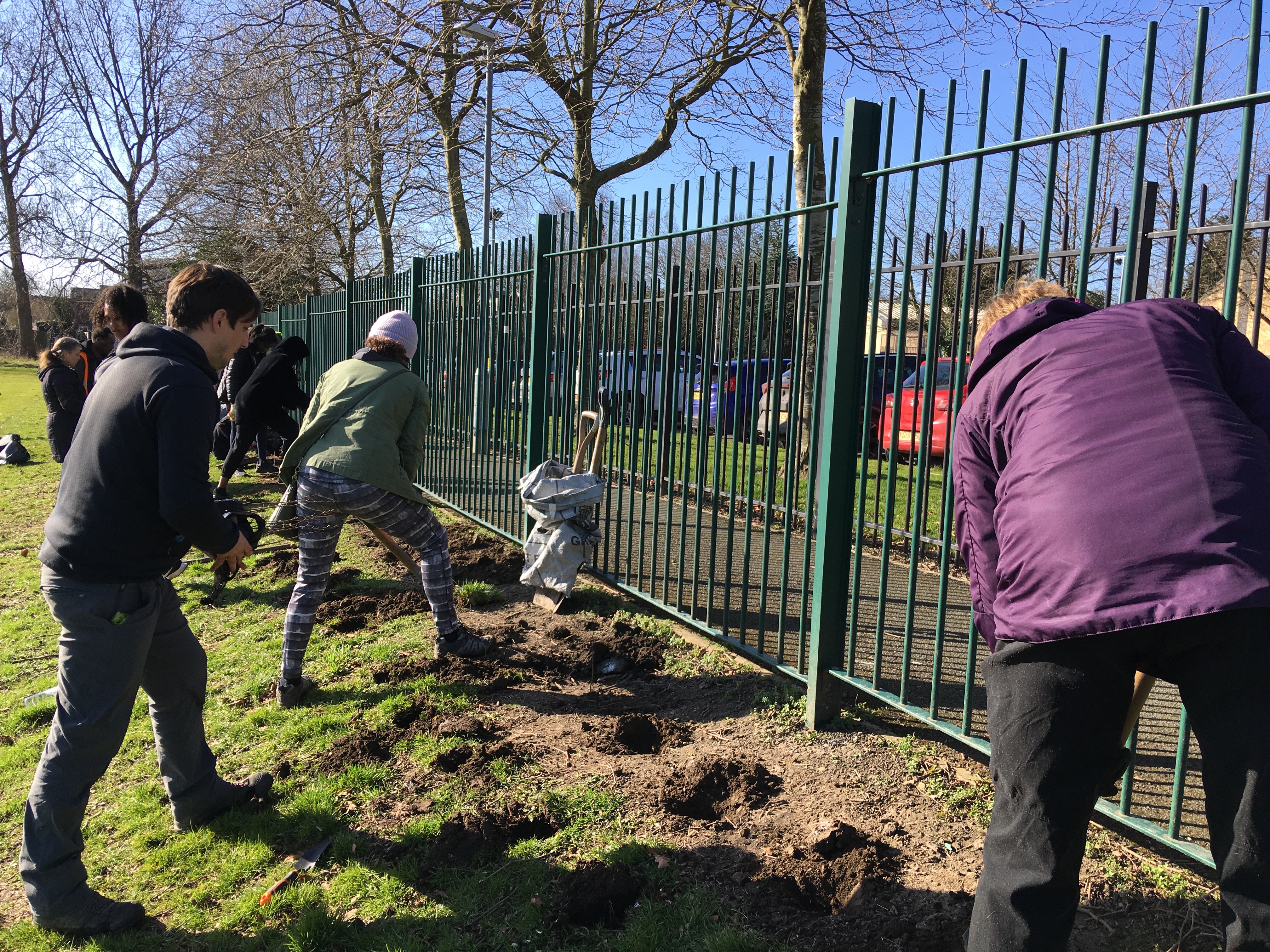
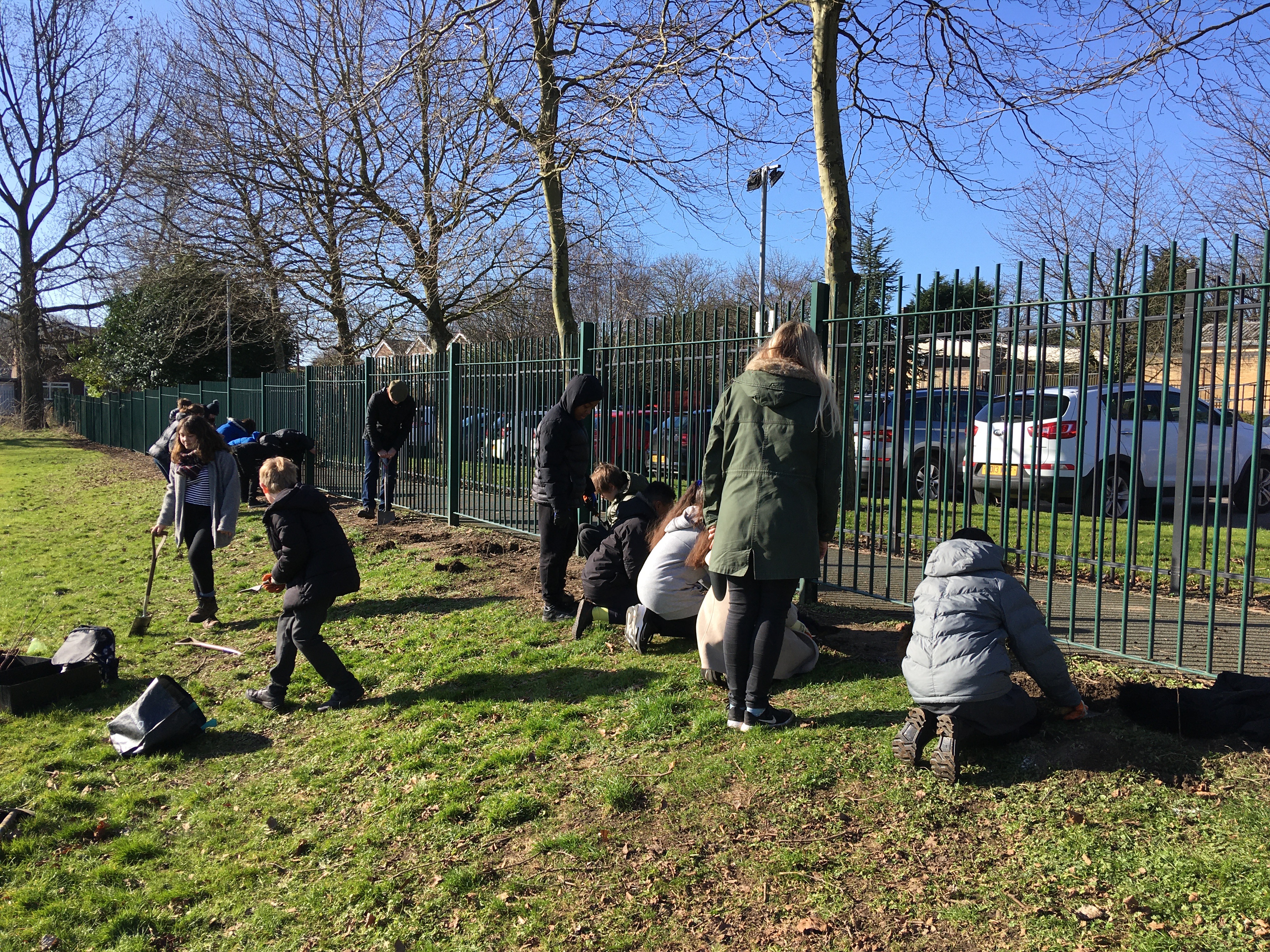
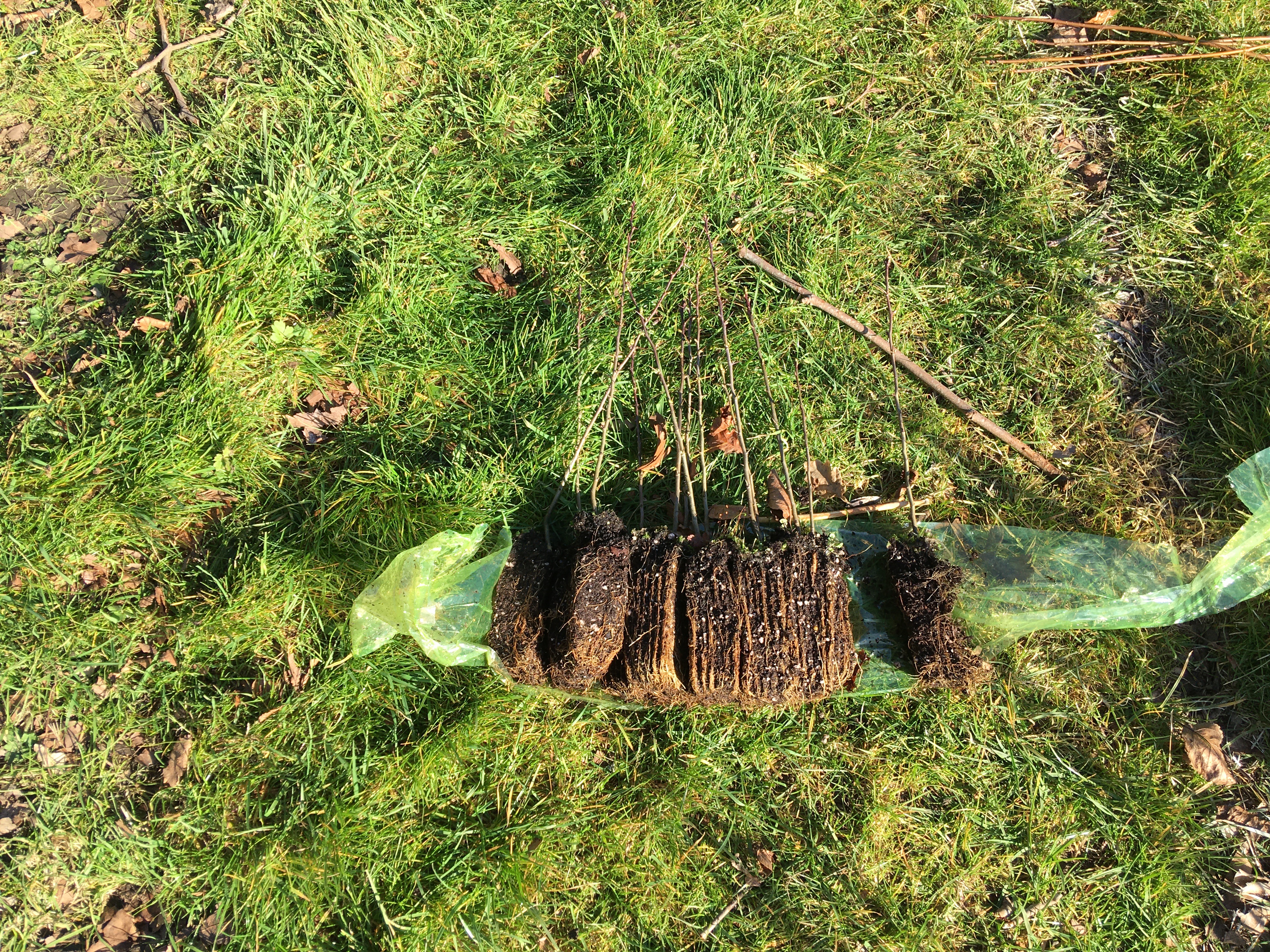
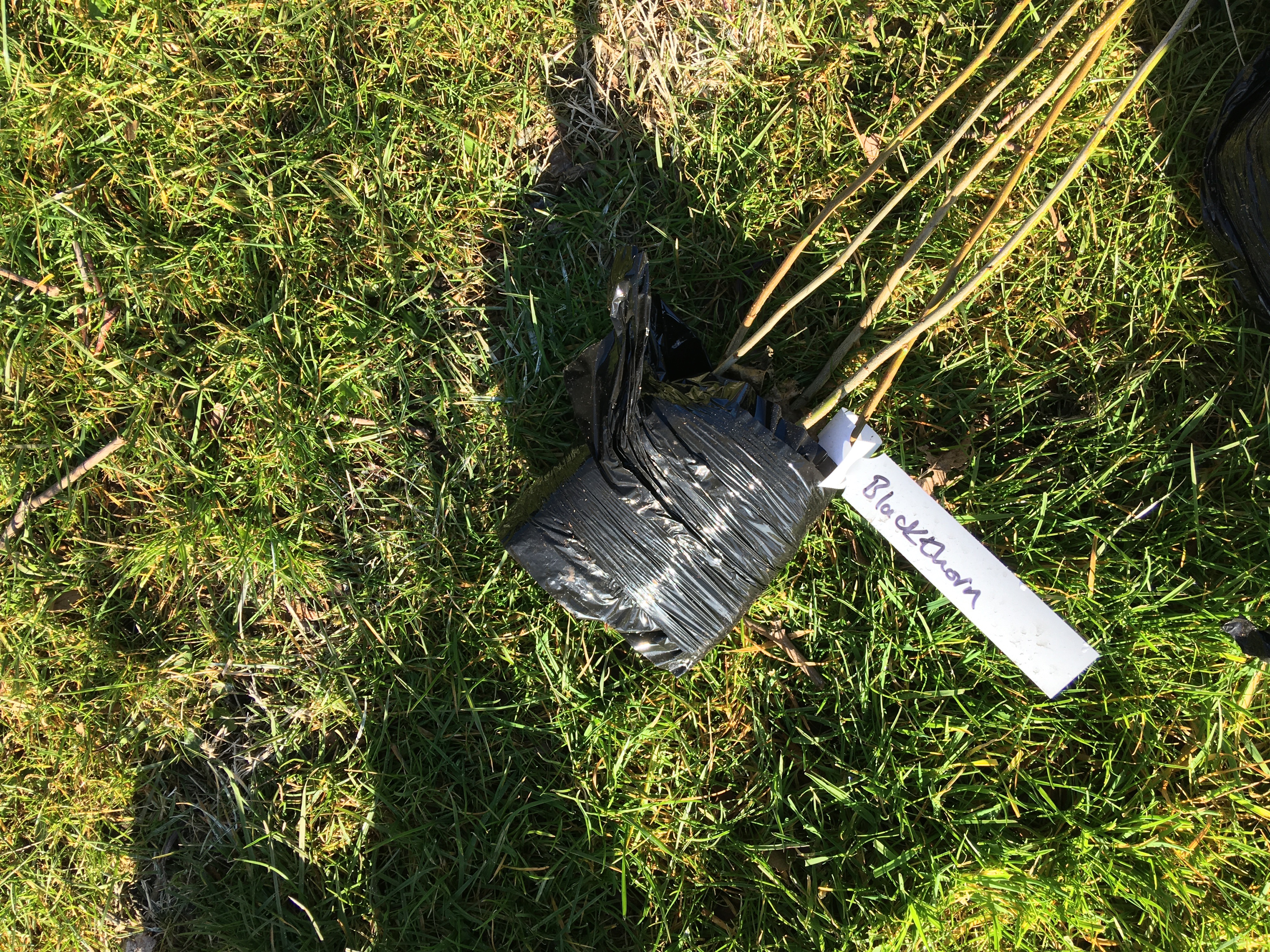
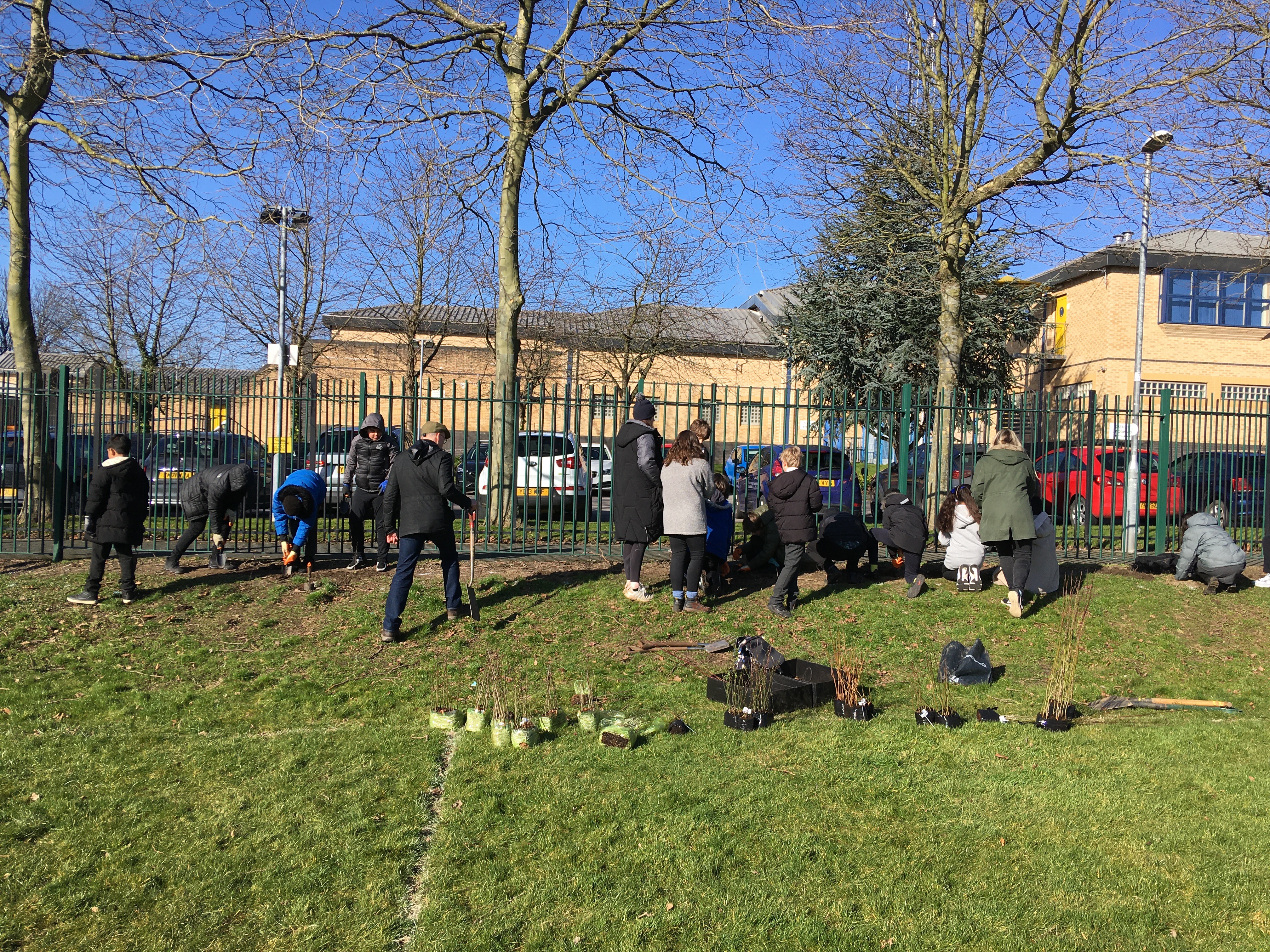
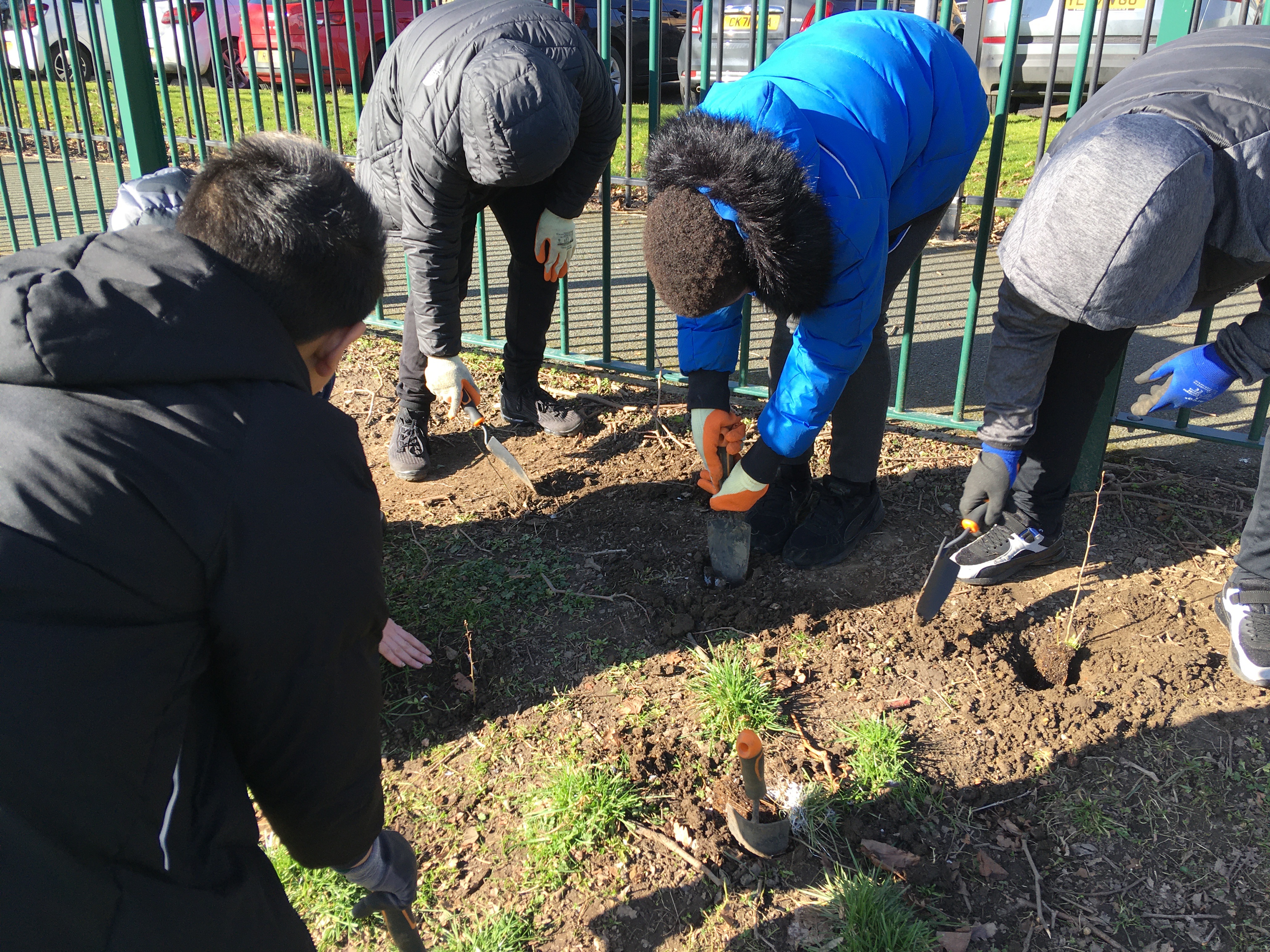
Planting a jam hedge in Chapel Allerton. The orchard will be planted next year along with 900 woodland trees – one for each pupil at Chapel Allerton and St Matthews Primary Schools.

